November 18, 2026
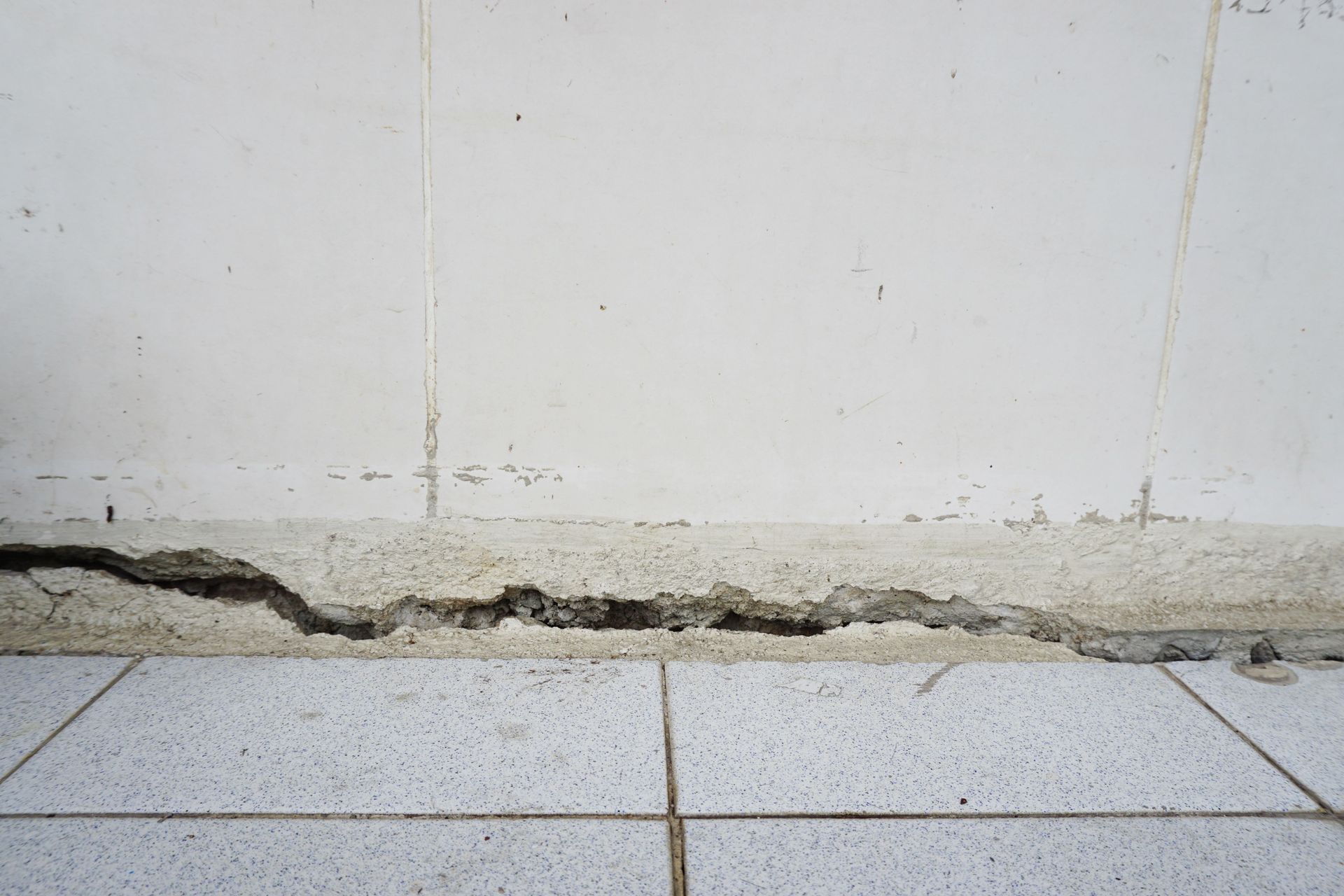
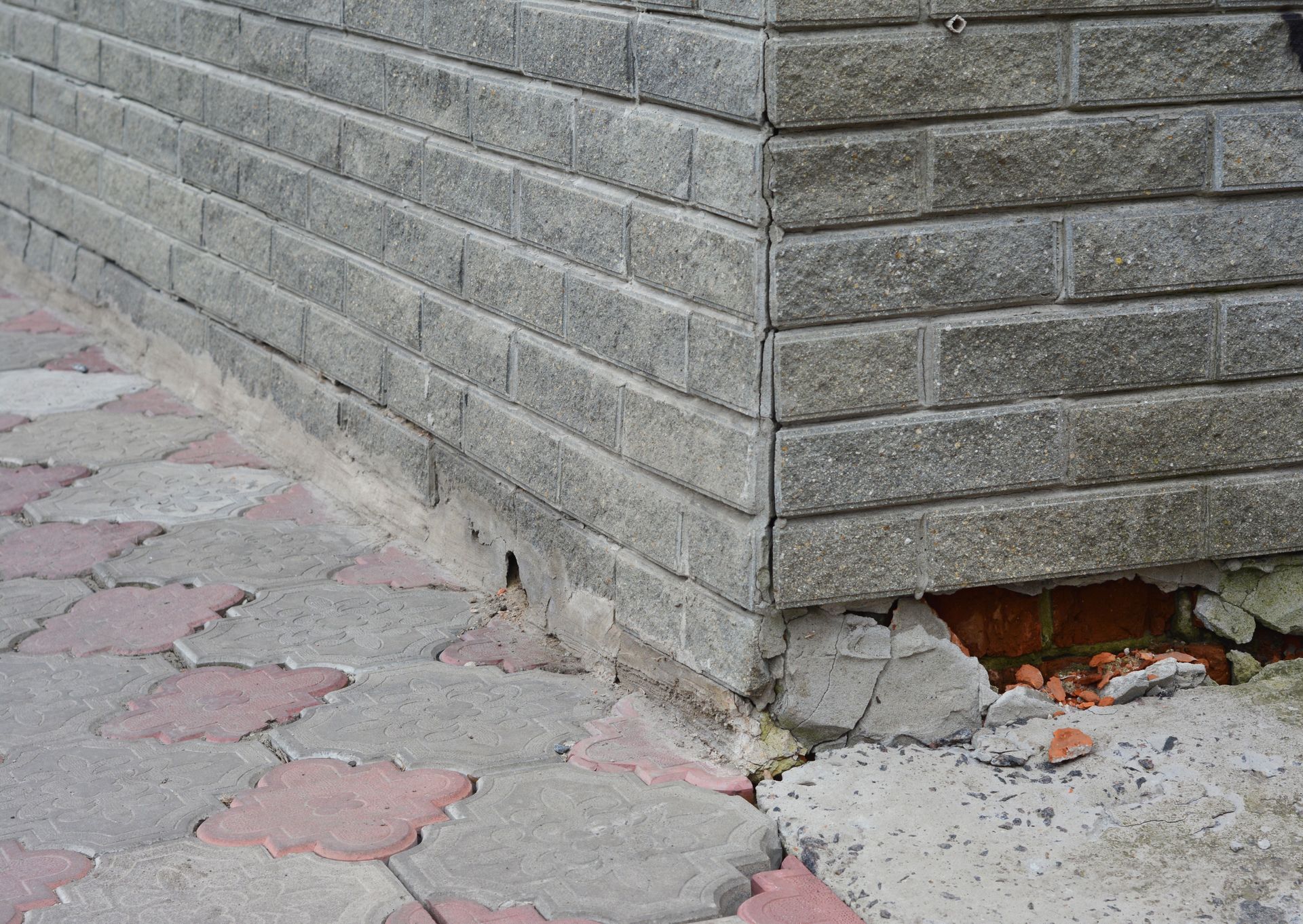
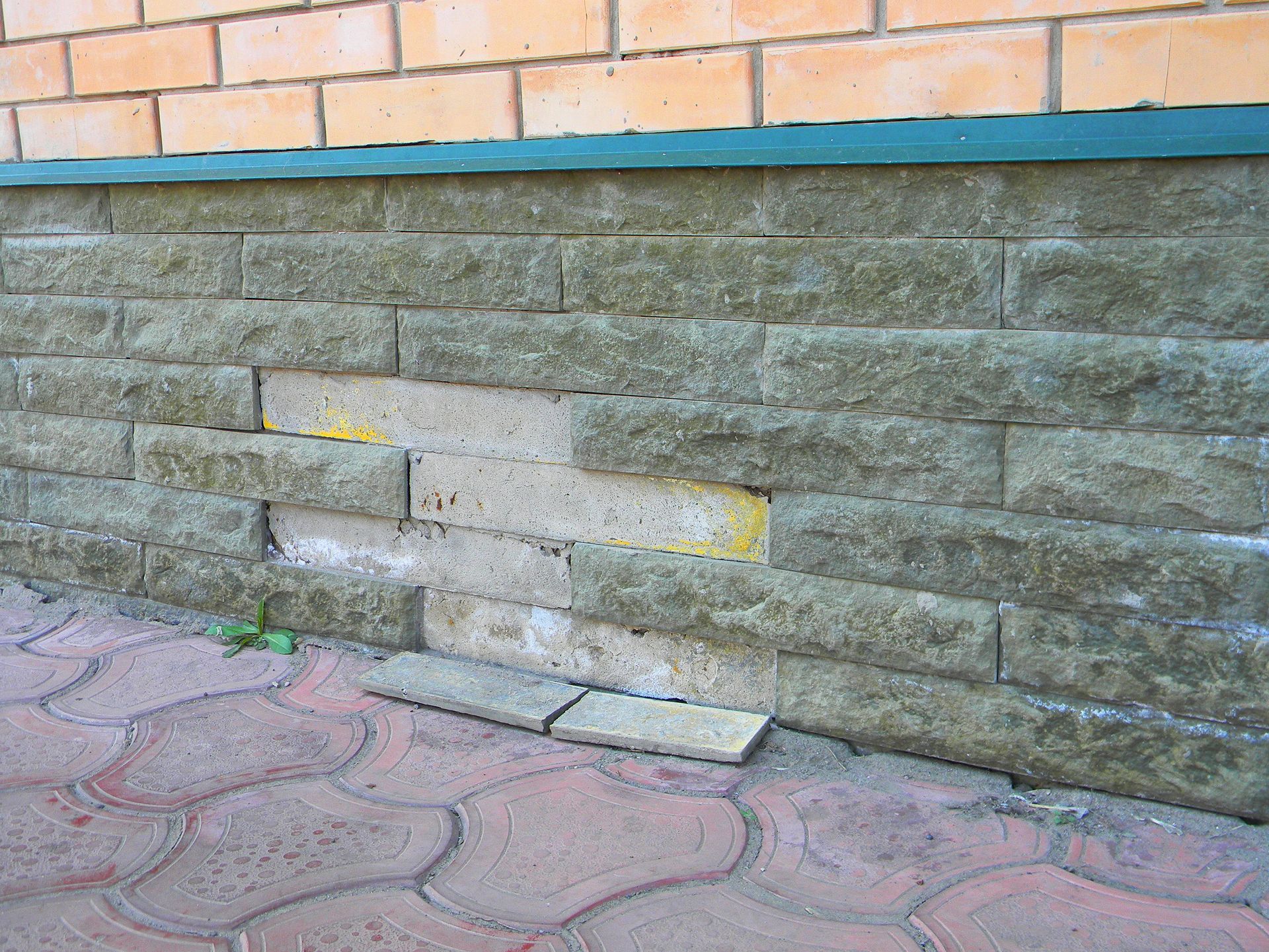
A property's foundation plays an essential role in supporting its structure and maintaining its overall stability. However, changes in soil conditions, moisture exposure, and other forms of stress can contribute to cracks developing in foundation walls and concrete surfaces. While some cracks may appear minor, others can indicate underlying concerns that require professional attention.
Understanding why foundation cracks develop can help property owners recognize potential problems and determine when repairs are necessary. Professional contractors can evaluate the condition of the foundation, identify contributing factors, and recommend appropriate solutions to address the damage. In this article, we'll explore common causes of foundation cracks and how professionals repair them, including soil movement, water pressure, structural stress, and concrete deterioration.
1. Soil Movement Creates Foundation Pressure
Changes in the soil surrounding a property can place pressure on its foundation. When soil shifts, expands, or contracts, the movement can affect the concrete and contribute to cracks developing along foundation walls.
The type and condition of the surrounding soil can influence how much pressure the foundation experiences. When the ground beneath or around a property moves unevenly, certain sections of the foundation may experience additional stress.
Professional contractors begin by examining the affected areas to understand the extent of the damage. They may recommend stabilization methods or other appropriate foundation repair services to address the underlying movement and restore support where necessary.
Rather than simply covering the visible cracks, professionals work to determine what caused them in the first place. Addressing the contributing soil conditions can help reduce the likelihood of similar problems continuing.
2. Excessive Moisture Increases Foundation Pressure
Water accumulation around a property's foundation can contribute to cracking and other forms of structural damage. When moisture builds up in the surrounding soil, it can create additional pressure against foundation walls.
Poor drainage, water accumulation, and ongoing moisture exposure may all contribute to these concerns. Property owners who notice cracks alongside signs of water intrusion should consider having the affected areas professionally evaluated.
Contractors typically inspect the foundation and surrounding conditions to determine whether moisture is contributing to the damage. Depending on their findings, they may recommend crack sealing, waterproofing, or drainage improvements to address the problem.
Professional repairs should account for both the visible damage and the conditions allowing moisture to reach the foundation. Combining appropriate repair methods with moisture management can help protect the property from recurring concerns.
3. Improper Drainage Causes Foundation Problems
Drainage plays an important role in managing water around a property. When water isn't directed away from the foundation properly, it may collect near the structure and contribute to changing soil conditions.
Gutters, downspouts, and the surrounding landscape can all influence how water moves around a building. When these features aren't functioning as intended, water may repeatedly accumulate near foundation walls.
Professional contractors can evaluate the property's drainage conditions while inspecting the foundation. They may recommend adjustments to drainage systems, improvements to water runoff management, or repairs to damaged foundation sections.
Addressing drainage concerns is important because repairing a crack without considering its source may leave the property vulnerable to additional damage. A comprehensive approach helps property owners address both the existing problem and the conditions contributing to it.
4. Poor Soil Compaction Leads to Foundation Settlement
The condition of the soil beneath a building can influence how evenly its foundation remains supported. When the ground hasn't been properly prepared or compacted, certain areas may settle differently and place stress on the structure.
Uneven settlement can contribute to cracks in concrete foundations and other visible changes throughout the property. The location and appearance of these cracks can help professionals determine whether movement beneath the structure may be involved.
Contractors typically evaluate the affected foundation and assess the surrounding conditions before recommending repairs. Depending on the severity of the settlement, they may suggest stabilization solutions designed to provide additional support beneath the structure.
Some projects may require specialized foundation support systems to address the underlying issue. Professional foundation repair services can help property owners understand which approach is appropriate for their specific foundation concerns.
5. Concrete Shrinkage Creates Surface Cracks
Concrete can experience changes as it cures and dries, sometimes resulting in shrinkage-related cracking. These cracks may appear along foundation surfaces and can vary in appearance depending on the surrounding conditions.
Although not every crack indicates a serious structural problem, property owners should avoid assuming that visible damage is harmless. The location, size, and progression of a crack can help determine whether additional evaluation is necessary.
According to Today's Homeowner, foundation cracks measuring more than 1/8 inch wide should be evaluated by a professional. Having a contractor inspect these areas can help property owners understand the nature of the damage and whether repairs are needed.
For certain cracks, professionals may recommend sealing or filling the affected areas with appropriate repair materials. If the inspection reveals a more significant underlying concern, they can recommend additional work to address the source of the problem.
6. Tree Roots Contribute to Soil Changes
Trees and other vegetation around a property can influence the condition of the surrounding soil. Changes in soil moisture associated with nearby root systems may contribute to movement that places stress on a foundation.
When property owners notice cracking near areas with substantial vegetation, it may be worth having the surrounding conditions evaluated. However, identifying the actual cause requires more than looking at the location of the nearest tree.
Foundation professionals can inspect the damaged sections and consider whether surrounding soil conditions may be contributing to the problem. Their evaluation helps determine whether the appropriate response involves foundation stabilization, soil management, or another repair method.
Addressing the underlying conditions is important for maintaining the results of the repair. Professionals can also provide recommendations for managing the surrounding landscape to help limit additional stress on the foundation.
7. Structural Stress Causes Foundation Wall Cracks
Foundation walls support the structure above them and may experience pressure from the surrounding soil and building materials. When this pressure becomes excessive or uneven, cracks can develop as the foundation responds to the added stress.
These cracks may appear in different patterns depending on the source and location of the pressure. Some may run vertically, while others can appear horizontally or diagonally across the affected surface.
Professional contractors inspect the cracks and surrounding foundation to determine whether structural reinforcement is necessary. Depending on their findings, they may recommend specialized repair methods such as wall anchors, reinforcement systems, or other stabilization solutions.
The appropriate method depends on the foundation's condition and the factors contributing to the damage. Professional foundation repair services help ensure that the repair addresses the structural concern rather than simply improving the visible appearance of the wall.
Foundation cracks can develop for several reasons, including soil movement, excessive moisture, poor drainage, concrete shrinkage, and structural stress. Although some cracks may be relatively minor, others can indicate underlying problems that require professional evaluation and repair.
Understanding the source of foundation damage is essential for choosing an appropriate solution. Professional foundation repair services help property owners identify contributing conditions, repair affected areas, and address structural concerns before they become more difficult to manage.
If you've noticed cracks in your property's foundation, don't wait for the damage to progress. Contact Proven Foundation Solutions today to schedule an inspection and discuss the repair options available for protecting your property's structural integrity.