April 15, 2026
The foundation of a home is essential to its structural integrity. A bowed foundation can indicate significant issues that require prompt attention to prevent further damage. Ignoring these problems may lead to costly repairs and safety concerns. Understanding the causes and solutions for a bowed foundation is crucial for homeowners, especially when local foundation repairs may be needed to protect the home. By addressing these problems early, the risk of severe structural issues can be minimized.
Identifying Signs of a Bowed Foundation
Visual Inspection Techniques
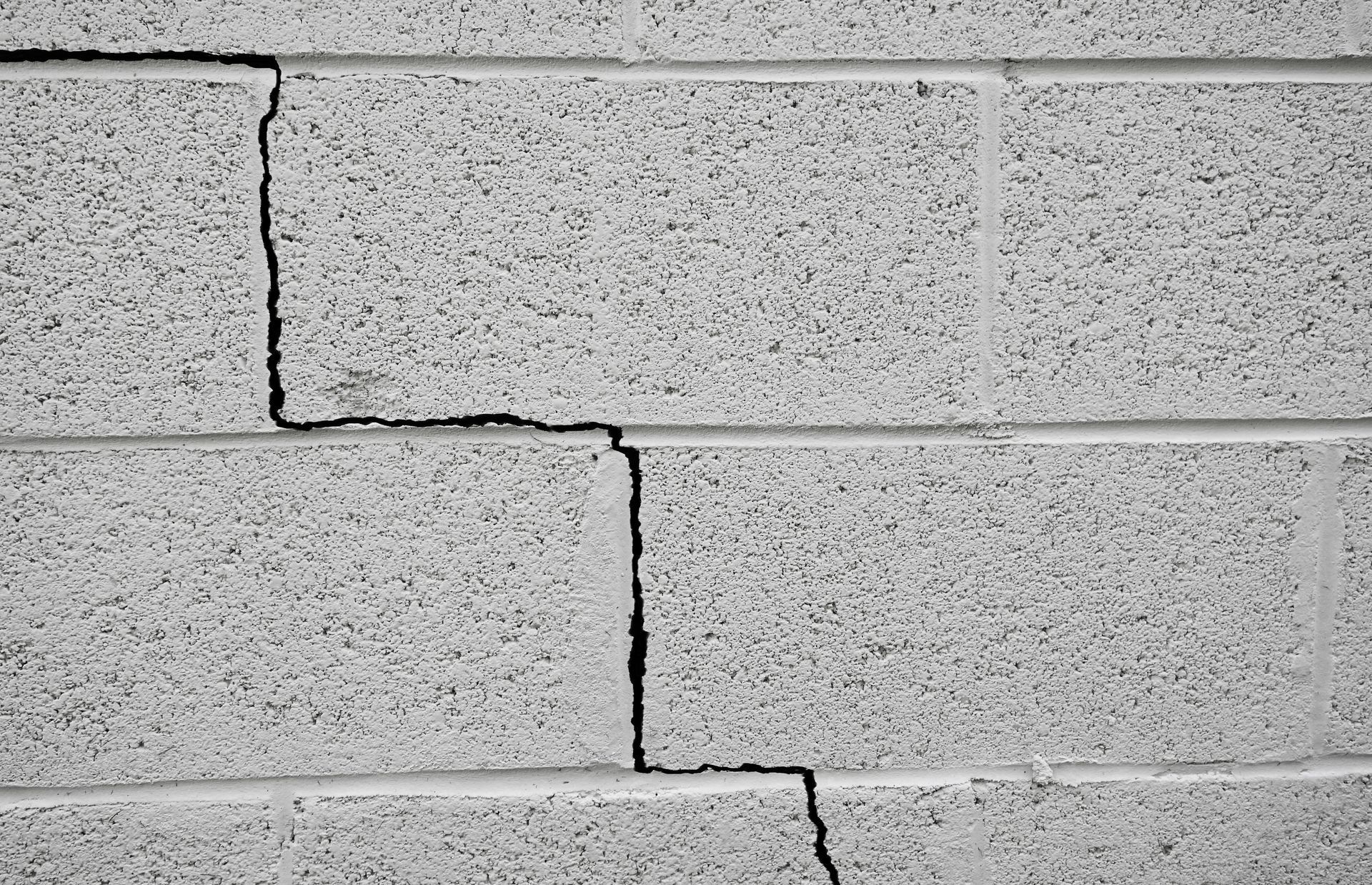
Visual inspections are the first step in identifying signs of a bowed foundation. Homeowners should examine the foundation walls for any visible bulges or cracks. It's crucial to conduct these inspections regularly, as early detection can prevent more severe problems and reduce the need for extensive local foundation repairs later on. Typically, cracks wider than a quarter-inch are cause for concern. Additionally, doors or windows that stick might suggest foundation movement.
Common Indicators of Foundation Issues
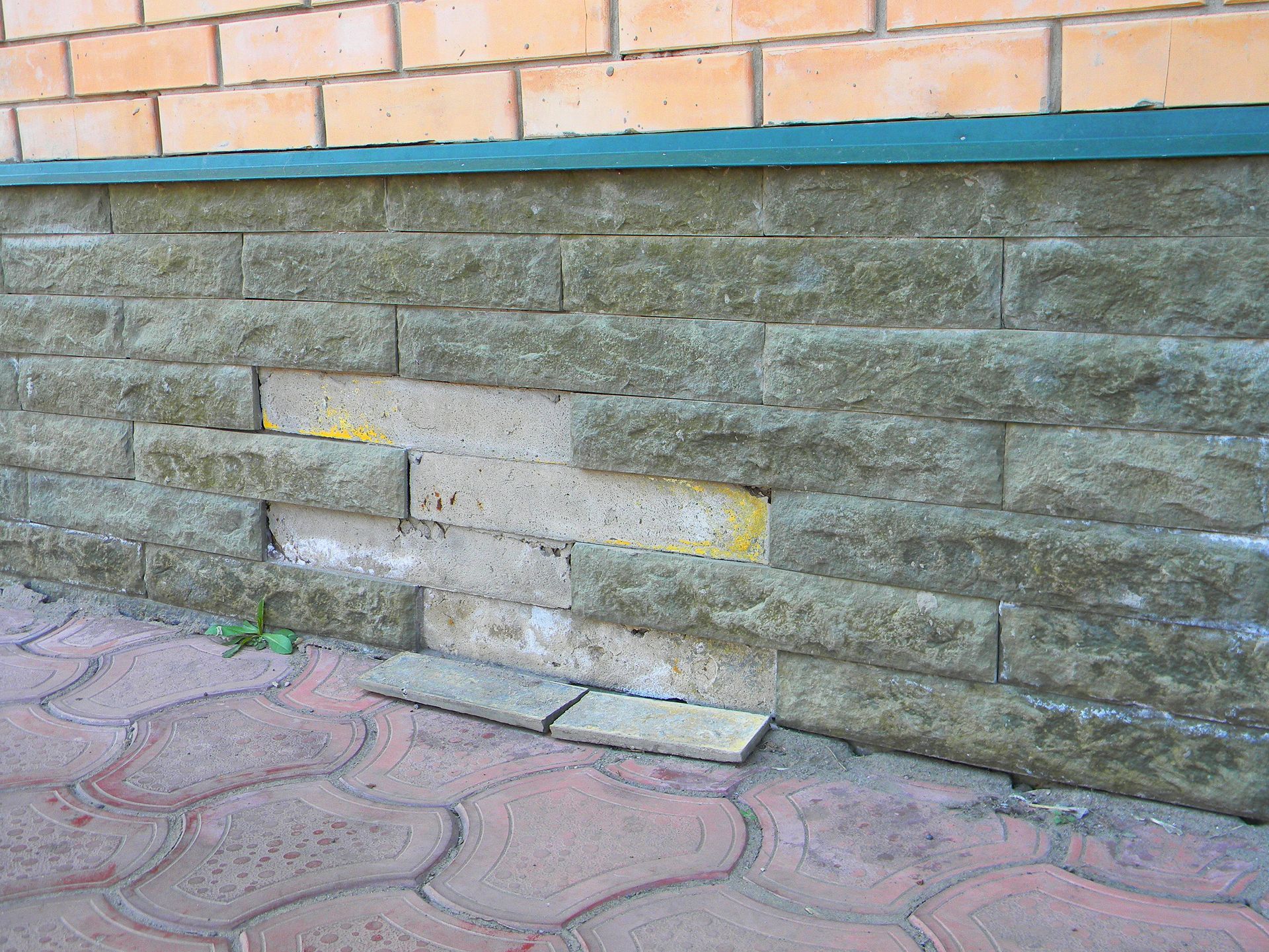
Besides visible deformations, several other signs might indicate foundation problems. Cracked or crumbling mortar joints can suggest underlying issues. Uneven floors and misaligned doors are also common indicators. A house's structure can reveal a lot about the foundation's condition, and noticing these warning signs early can make local foundation repairs more manageable. Identifying these issues early on is essential for prompt repair and prevention.
Understanding Foundation Movement Patterns
Understanding how foundations can move is vital for identifying potential issues. Seasonal changes often influence these movements due to soil expansion and contraction. Homeowners should be aware of such patterns to acknowledge when something out of the ordinary occurs. Not all foundation movement is serious, but knowing typical behavior can distinguish between minor and severe problems. This understanding can also guide homeowners on when to seek expert help.
Consulting with a Professional for Accurate Diagnosis
While personal inspections are valuable, consulting professionals provides an authoritative diagnosis. Experts possess the knowledge and tools required for a comprehensive assessment. According to Modernize, your home's foundation is the top most important structural feature, emphasizing the need for professional consultation. Professionals can not only diagnose but also propose effective repair strategies, including recommendations for local foundation repairs when needed. Timely professional guidance can be a valuable investment in maintaining home safety and value.
Understanding the Causes of Bowed Foundations
Hydrostatic Pressure and Its Impact
Hydrostatic pressure is a primary cause of bowed foundations. It occurs when water accumulates around the foundation, exerting pressure on the walls. This pressure can force walls inward, leading to bowing. Managing drainage problems early can help homeowners avoid costly local foundation repairs in the future. Addressing water accumulation promptly is essential for preventing foundation damage.
Poor Drainage Systems
Poor drainage can exacerbate foundation problems by allowing water to pool around the structure. Overflowing gutters and improperly directed downspouts contribute to these issues. Homeowners should make sure that the drainage system directs water away from the house. A well-maintained drainage system prevents excess moisture build-up. It's a crucial aspect of foundation maintenance.
Soil Types and Their Expansion Properties
The type of soil surrounding a foundation plays a significant role in its stability. Clay soils, for example, expand when wet and contract when dry, putting stress on foundations. Meanwhile, sandy soils might not hold water effectively, affecting foundation support. It's essential to understand the soil type when considering foundation stability. Effective soil management can prevent potential bowing.
The Role of Tree Roots
Tree roots can be another culprit behind bowed foundations. As roots grow, they can exert pressure on foundation walls. Maintaining a safe distance between large trees and your home is advisable. Regularly trimming or removing problematic trees might protect the foundation. Keeping an eye on vegetation growth is crucial for preventing damage.
Construction and Engineering Flaws
Faults during construction can lead to significant foundation issues. Incorrectly mixed concrete or flawed design can result in instability. Making sure qualified professionals oversee construction is crucial. Any engineering flaws should be rectified before they manifest in more severe problems. Every construction phase needs accurate attention to detail.
Long-Term Repair Solutions
Tackling Drainage and Water Management
Effective drainage solutions are crucial for preventing foundation issues long-term. Improved drainage systems can alleviate hydrostatic pressure around the foundation. Correcting grading and landscaping are also integral steps in this process. Implementing these solutions requires thorough inspection and professional guidance. Proper water management effectively prevents future problems.
Comprehensive Foundation Replacement and Rebuilding
In severe cases, complete foundation replacement might be necessary. This solution involves extensive excavation and reconstruction, providing a new, stable foundation. It's a challenging and costly process but supports long-term structural integrity. Professional guidance is crucial when managing such significant repairs. Replacement is often the last resort but provides peace of mind and safety.
Preventive Maintenance and Monitoring
Regular Inspection Schedules
Schedule foundation inspections regularly to catch potential issues early. Seasonal changes often bring about shifts in soil and water levels, affecting foundations. Professional inspections can identify subtle signs that may not be otherwise noticeable. Regular inspection prevents the escalation of minor problems into significant concerns and may help homeowners avoid major local foundation repairs. Consistency in preventive maintenance saves time and resources long-term.
Improving Overall Drainage System
Upgrading the home's drainage system prevents water retention near the foundation. Making sure gutters and downspouts direct water away from the structure is essential. Installing drainage tiles around the home can provide additional protection. This ongoing effort is cost-effective and minimizes potential issues down the line. Proactive drainage management maintains a stable foundation environment.
Landscaping Adjustments to Reduce Risk
Adjusting the landscape around your home can support better foundation health. Plant vegetation that absorbs excess moisture but keeps large-rooted trees at bay. Landscape sloping away from the home aids water runoff, reducing foundation strain. Thoughtful landscaping acts as preventative care against moisture-related foundation issues. Balancing flora with structural considerations prevents potential problems.
Working with Professionals and Contractors
Choosing the Right Foundation Specialist
Selecting a qualified foundation specialist is critical for successful repairs. Credentials and experience must be considered when making a choice. Seek referrals and reviews to find trusted companies that handle local foundation repairs with care and accuracy. A specialist provides tailored solutions suited to individual foundation issues. Correct selection supports quality work and structural stability.
Understanding Contractor Estimates and Contracts
Thoroughly understanding contractor estimates and contracts is important. Detailed contracts specify project scope, timelines, and costs, preventing misunderstandings later. Engaging in dialogue with contractors clarifies expectations and obligations. This understanding sets a firm foundation for collaboration. Knowledge of the process helps homeowners maintain control and peace of mind.
Ensuring Compliance with Local Building Codes
Compliance with building codes supports local foundation repairs that are legally sound. Violations could result in fines, penalties, or even reconstruction. Working with professionals familiar with local regulations supports compliance. Regular updates and permits keep the project aligned with the latest standards. Legal work aligns with structural safety and environmental mandates.
Addressing a bowed foundation is vital for maintaining structural integrity. Early identification and prompt action prevent serious damage or expensive repairs. The collaboration of proactive homeowners with trusted professionals yields the best outcomes, especially when local foundation repairs are completed before the damage gets worse. Regular maintenance and astute monitoring secure a foundation's health and longevity. A well-maintained foundation supports the entire home, safeguarding its long-term value and safety. Contact Proven Foundation Solutions today for more information about local foundation repairs.