November 3, 2026
The foundation is the most critical structural element of any residential property, providing the essential load-bearing base that supports the entire building. Its importance in the real estate market cannot be overstated, as structural stability dictates both day-to-day livability and long-term investment appreciation. For homeowners and prospective purchasers alike, comprehending how foundational distress impacts valuation is essential for making sound financial decisions.
A wide variety of dynamic factors contribute to structural degradation, including cyclical soil shifts, improper site drainage, and ongoing environmental wear. When foundational complications develop, their repercussions extend far beyond minor surface blemishes, creating serious safety hazards, mechanical malfunctions, and severe market devaluation. Partnering with a reliable foundation company is often the single most effective way to identify and diagnose these hidden defects before they escalate into catastrophic structural failures.
Understanding the Structural Role of Residential Foundations
A residential foundation acts as the load-bearing spine of a home, ensuring structural balance, mechanical integrity, and decades of durability. When a concrete slab, crawl space, or full basement is properly engineered and constructed, it distributes the immense weight of framing, roofing materials, and interior finishes evenly across the underlying subgrade. Beyond bearing vertical gravity loads, it fortifies the structure against lateral pressures exerted by expansive soils, high winds, and local seismic activity.
Without an uncompromising base, the entire framework suffers from progressive structural fatigue. Minor initial settling can quickly cascade into wall shear, sagging floor joists, misaligned load paths, and cracked roof trusses. Maintaining this structural envelope preserves the physical lifespan of the asset and protects occupants from sudden, hazardous building failures.
Recognizing the Visible Warning Signs of Structural Movement
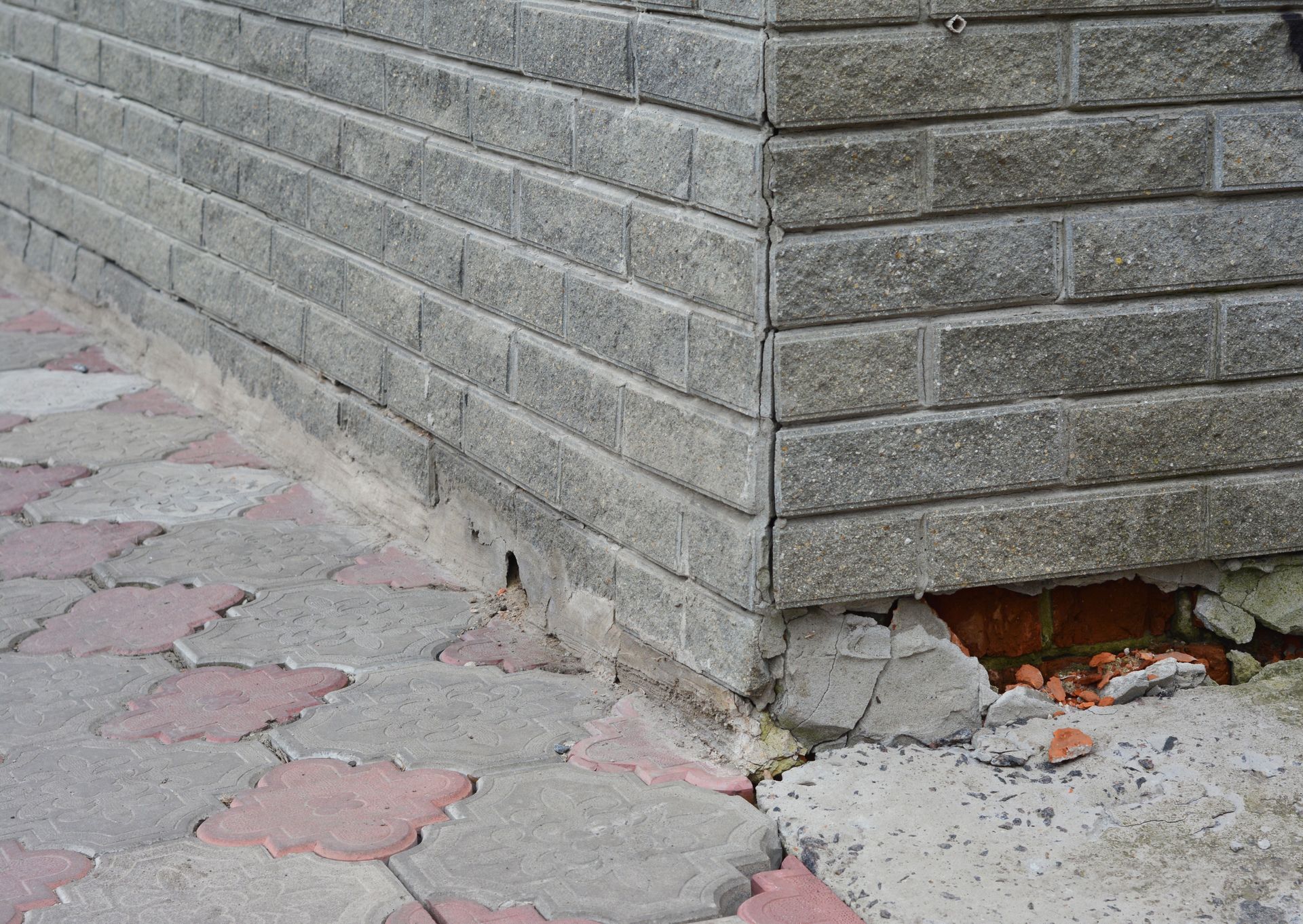
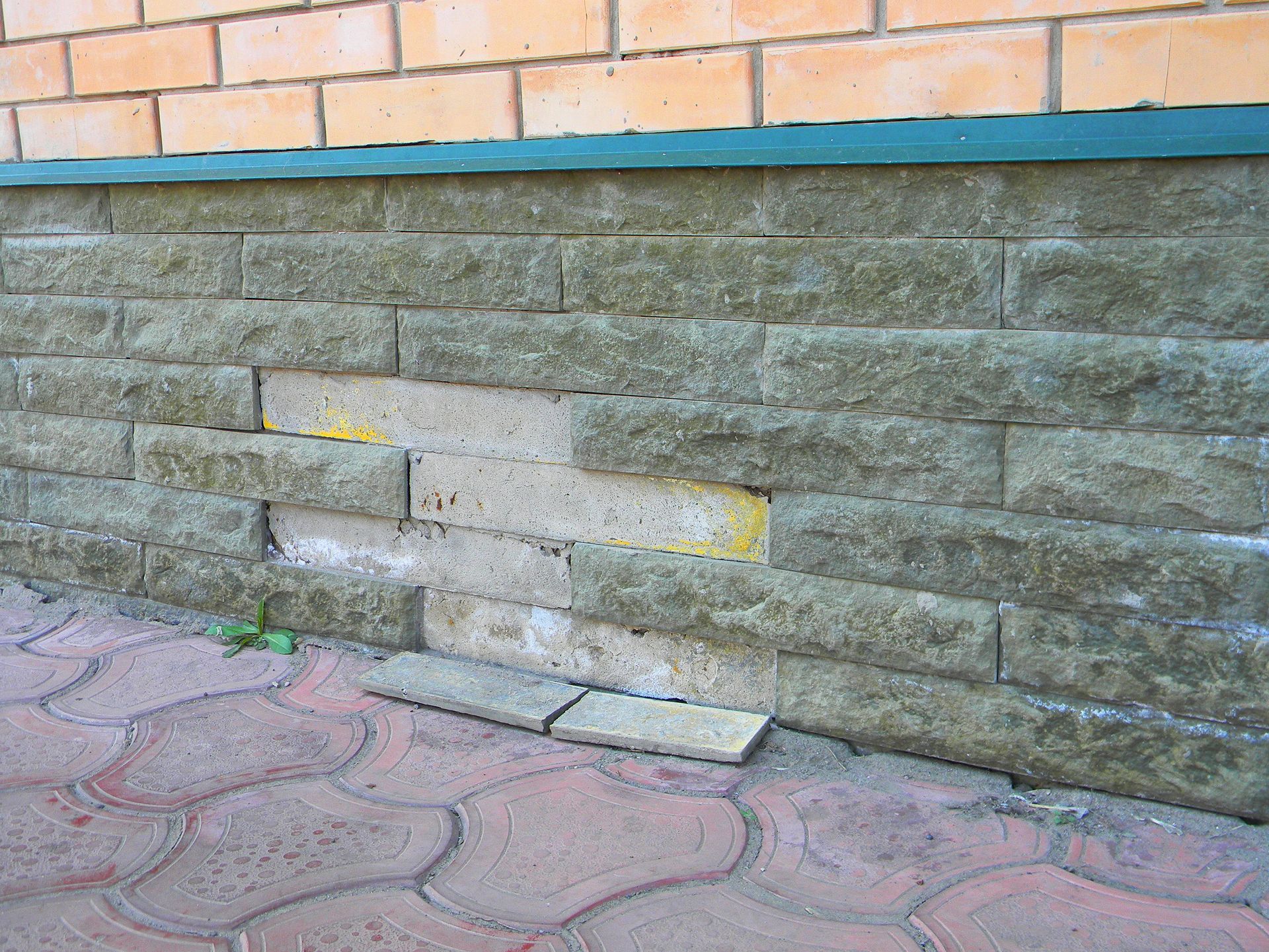
Early detection is essential when dealing with structural movement, as minor settlement indicators inevitably precede major architectural failures. Homeowners should regularly inspect interior sheetrock, ceiling joints, and exterior brickwork for telltale stair-step cracks, horizontal fractures, and separating gaps. Misaligned doors and sticking window frames frequently reveal that framing has warped due to differential settlement beneath the footings.
Furthermore, uneven, sloping, or bouncy floors signal that subfloor supports, concrete piers, or perimeter footings have subsided under pressure. Down in basements and crawl spaces, groundwater intrusion, concrete efflorescence, and persistent musty odors often indicate porous, compromised masonry. When these red flags appear, hiring an experienced foundation company to conduct a thorough elevation survey can clarify whether movement is superficial or actively destabilizing the structure.
Evaluating the Direct Impact on Property Resale Value
The financial consequences of unaddressed structural movement on property equity are immediate and severe during a sale. According to Homelight, foundation issues can reduce a home's sales price by 10% to 15%. Prospective home buyers today are exceptionally risk-averse, particularly when confronting structural unknowns that could easily cost tens of thousands of dollars to remediate after closing.
Visible drywall cracks, uneven door jambs, and noticeable floor slopes trigger severe buyer hesitation, leading directly to aggressive lowball offers or immediate contract cancellations. Properties afflicted by disclosed structural flaws routinely linger on multiple listing services, suffering from the stigma of a damaged listing. By proactively engaging a reputable foundation company to address underlying settlement before listing, sellers can eliminate these pricing penalties and protect their hard-earned equity.
Navigating Inspection Obstacles and Buyer Financing Hurdles
During a residential real estate transaction, professional home inspectors invariably flag structural settlement, triggering mandatory engineering evaluations that can halt sales completely. Mortgage lenders enforce stringent collateral requirements, meaning conventional underwriters, FHA programs, and VA loan officers will often deny financing for properties exhibiting uncertified structural instability. Lenders view damaged foundations as severe threats to loan security, refusing to fund until an engineer or licensed foundation company certifies the repairs.
This creates immense friction during escrow, frequently compelling sellers to offer substantial concessions, absorb inflated repair bills, or watch qualified buyers walk away entirely. Addressing these vulnerabilities well in advance ensures clean inspection reports, prevents deal-killing delays, and facilitates seamless mortgage underwriting.
Calculating the Cascading Costs of Secondary Property Damage
Structural settlement rarely confines itself to the concrete perimeter; it systematically damages adjoining mechanical systems, interior finishes, and building components throughout the property. As footings sink, plumbing supply lines and sewer pipes experience intense shearing forces that lead to concealed leaks beneath slabs and within wall cavities. Ductwork can tear open at rigid joints, creating air drafts that undermine HVAC efficiency and drastically inflate monthly utility expenses.
Furthermore, shifting framing causes ceramic tile floors to crack, disrupts roof flashing, and destabilizes chimney masonry. Left unchecked, moisture seeping through fractured basement walls fosters toxic mold growth that endangers indoor respiratory health. Bringing in a certified foundation company to stabilize the structure stops this destructive chain reaction before secondary repair bills multiply.
Analyzing the Financial Risks to Homeowners Insurance
Navigating property insurance with active structural settlement introduces another layer of unexpected financial exposure for homeowners. Standard hazard insurance policies explicitly exclude routine earth movement, soil subsidence, and gradual settlement from standard dwelling coverage. When the foundation shifts rupture internal water lines, insurance adjusters may scrutinize whether the root cause was long-term unmitigated settlement, potentially contesting or denying associated water damage claims.
Moreover, insurance carriers performing underwriting reinspections may classify properties with documented foundation failures as high-risk liabilities, resulting in elevated annual premiums or non-renewal notices. Enlisting an accredited foundation company to execute permanent stabilization helps maintain an insurable property profile, preventing costly disputes and securing comprehensive coverage from underwriting agencies.
Reviewing Modern Engineering and Structural Underpinning Solutions
Modern structural remediation has evolved far beyond temporary cosmetic patching, offering permanent engineering solutions tailored to specific architectural and soil demands. For homes suffering from differential settlement, deep underpinning systems like heavy-duty steel push piers and helical piers drive through weak surface strata down to load-bearing bedrock. Sinking concrete slabs can be precision-lifted back to level using modern polyurethane foam injection or structural pressure grouting techniques.
In basements experiencing lateral hydrostatic pressure, carbon fiber reinforcement straps and steel I-beams stabilize bowing masonry walls without requiring disruptive excavation. Consulting with a qualified foundation company ensures that homeowners receive an accurate engineering analysis, selecting the exact remediation method necessary to restore structural equilibrium and preserve asset value.
Implementing Proactive Drainage and Moisture Management Strategies
Preserving foundation integrity requires ongoing attention to environmental stressors, specifically surrounding soil moisture consistency and comprehensive site drainage. Expansive clay soils swell significantly when saturated and shrink drastically during dry spells, exerting cyclical stresses that crack concrete footings.
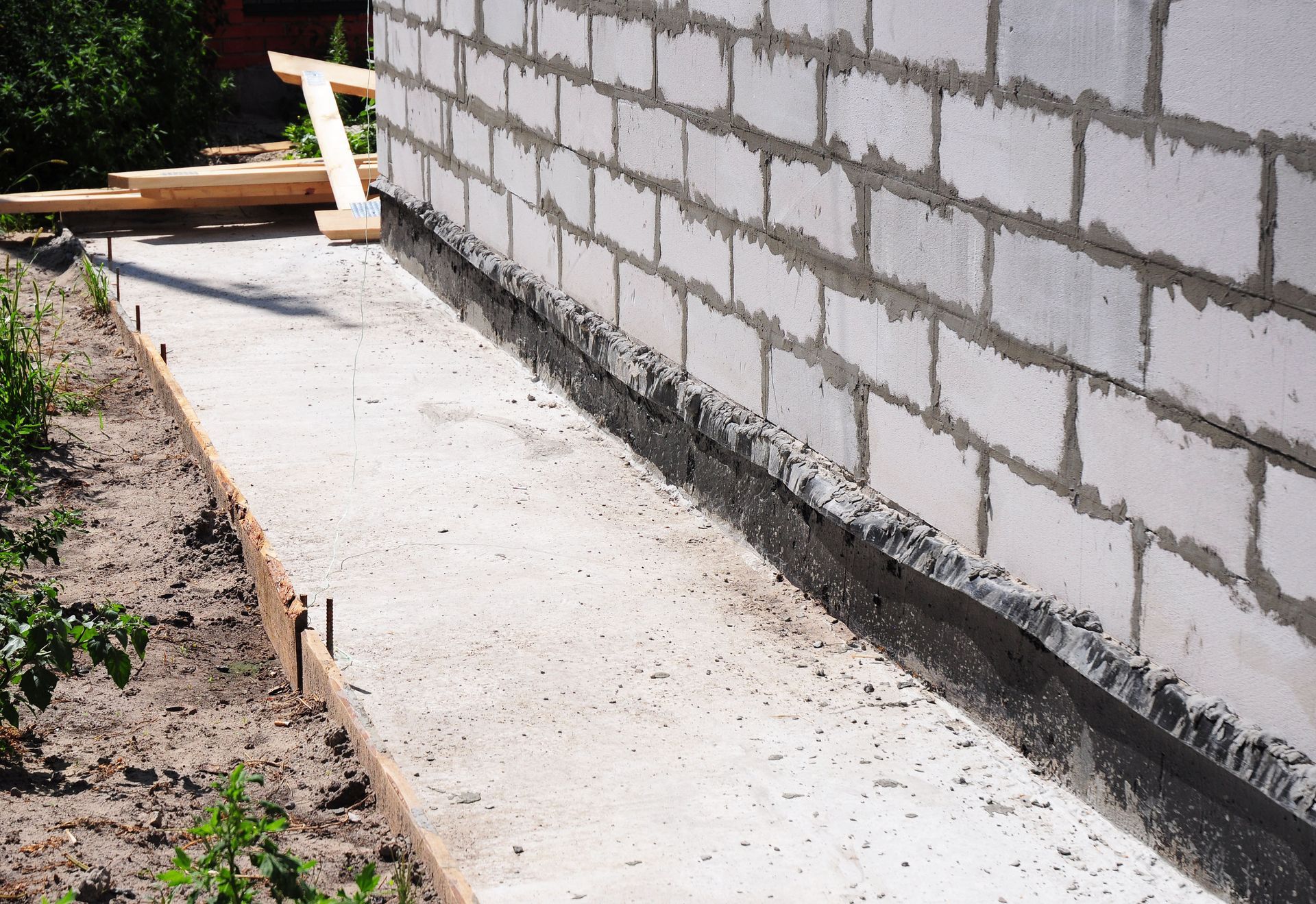
Homeowners must ensure that roof gutters and downspout extensions divert stormwater at least ten feet away from the perimeter. Proper landscape grading should slope gently downward away from exterior walls to prevent surface water pooling. Additionally, installing subsurface French drains, vapor barriers, and automated sump pumps relieves dangerous hydrostatic pressure against subterranean walls. A knowledgeable foundation company can evaluate site hydrology and recommend customized drainage enhancements to keep foundation subgrades stable and balanced throughout all seasons.
Protecting Long-Term Equity and Homeowner Peace of Mind
Addressing foundation distress promptly is an indispensable investment that protects your home's structural stability, household safety, and long-term financial worth. Allowing structural concerns to linger only magnifies total repair expenses, damages secondary household systems, and degrades market competitiveness. By taking proactive maintenance steps, managing surrounding ground moisture, and scheduling routine professional evaluations, you safeguard your real estate investment against avoidable devaluation and chronic stress.
If you suspect that your home is suffering from structural settlement, bowing basement walls, or sloping floors, do not wait for the damage to spread. Contact the trusted experts at Proven Foundation Solutions today to schedule your comprehensive structural inspection and restore lasting security to your home.